
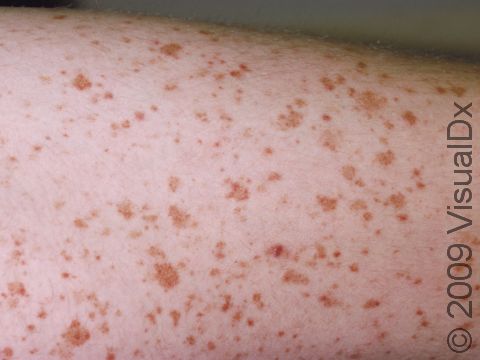
Graphic content
Please click to view.
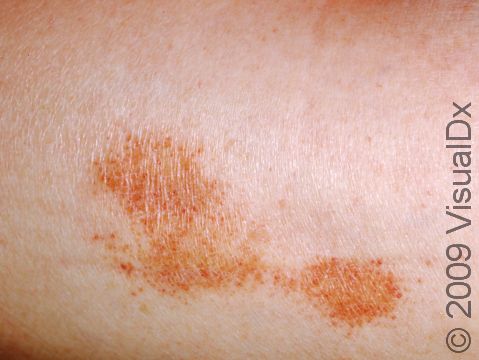
Graphic content
Capillaritis
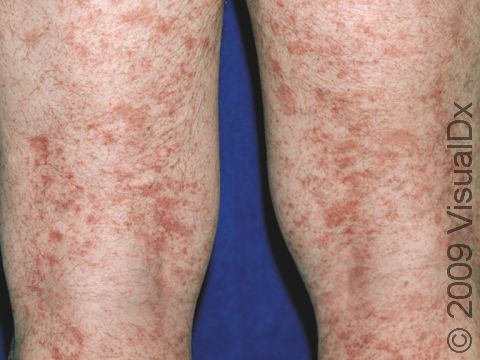
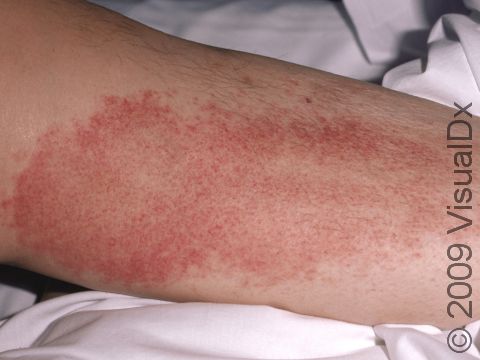
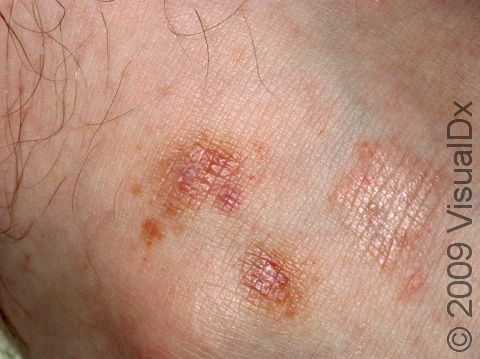
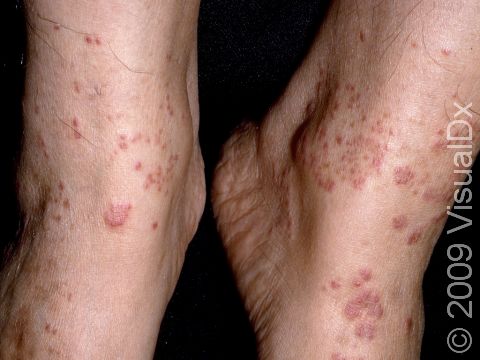
Capillaritis is characterized by leakage of red blood cells from small, superficial blood vessels that results in pinpoint-like hemorrhages (petechiae). Capillaritis is frequently found in patients with long periods of extended standing related to their occupations. A skin hypersensitivity reaction, salicylates and nonsteroidal anti-inflammatory drugs (NSAIDs) are the most commonly associated origins of capillaritis, though the precise cause is unclear. Capillaritis is usually a life-long condition, flaring intermittently.
Who's At Risk?
Capillaritis is seen more frequently in adults, but it does occur in older children and adolescents.
Signs & Symptoms
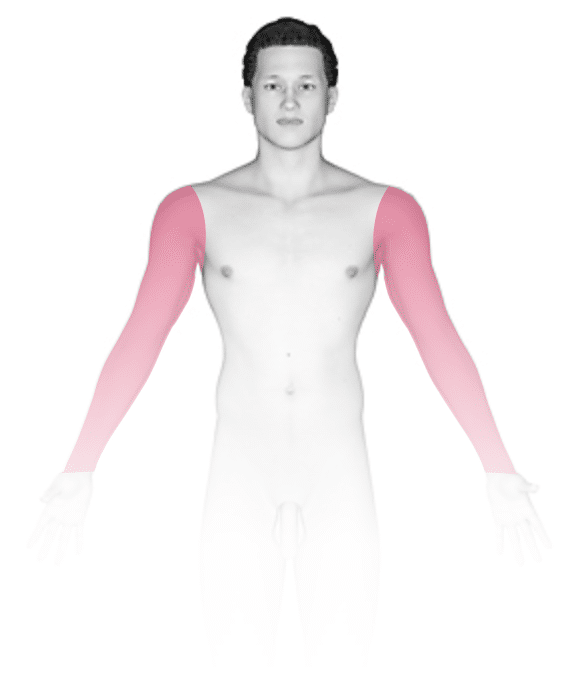
The most common location for capillaritis is the leg, though it may manifest on the trunk and upper extremities. Capillaritis never presents on the face. Presentation may include:
- Brown-red or deeply pigmented, pepper-like petechiae in dark-skinned individuals
- Cayenne-pepper–colored petechiae in lighter-skinned individuals
- Color variations in the lesions due to different stages of blood breakdown product (hemosiderin) reabsorption
Self-Care Guidelines
None necessary.
Treatments
Treatment may include:
- Mid-potency topical steroids (in case of itching)
- Oral therapy with bioflavonoid and ascorbic acid
Visit Urgency
Though capillaritis is a benign condition, another condition may be at work. The evaluation of a primary care physician or dermatologist should be obtained when unsure of the nature of a rash.
Trusted Links
References
Bolognia, Jean L., ed. Dermatology, pp.361-362. New York: Mosby, 2003.
Freedberg, Irwin M., ed. Fitzpatrick’s Dermatology in General Medicine. 6th ed, pp. 1737-1738. New York: McGraw-Hill, 2003.
Last modified on October 10th, 2022 at 7:25 pm
Not sure what to look for?
Try our new Rash and Skin Condition Finder